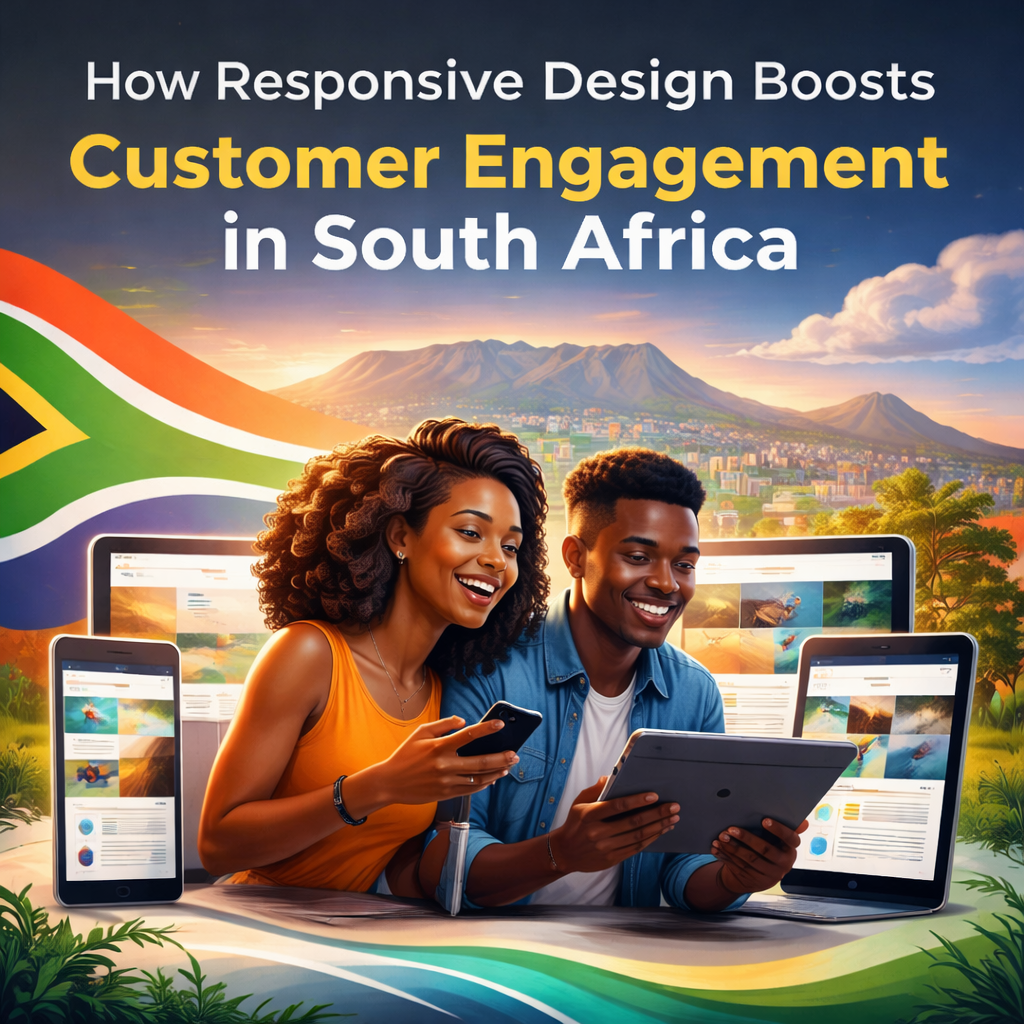
In a country where mobile internet usage is among the highest on the continent, responsive design is no longer optional — it’s essential. A responsive website automatically adjusts to fit the screen and device it’s being viewed on, creating a smooth experience for every visitor, whether they’re on a smartphone, tablet, or desktop.
In South Africa’s competitive digital landscape, responsive design doesn’t just improve aesthetics — it boosts customer engagement, builds trust, and drives conversions. In this article, we’ll explore why responsive design matters, how it impacts user behaviour, and why Dutch Ink includes it in every modern website build.
What is Responsive Design?
Responsive design means your website dynamically adapts to different screen sizes and device types without compromising user experience. It ensures:
Clear navigation on any device
Readable text without zooming
Images that scale correctly
Buttons and links that are easy to tap
This approach improves usability and eliminates frustration — which is critical for keeping South African users engaged.
1. Mobile Usage Is Skyrocketing in South Africa
South Africa has seen a major shift in how people access the internet. A significant majority of online users browse and shop primarily from mobile devices because:
Data costs are dropping
Smartphones are more affordable
Mobile connectivity is widespread
A responsive design ensures your brand meets users where they are — on their phones — which dramatically increases the chances of them sticking around, exploring your content, and converting.
Pro Tip: If your site isn’t responsive, you’re essentially asking mobile users to work hard to engage with you — and most will click away.
2. Faster Load Times = Happier Users
Slow loading pages are a major engagement killer.
Responsive design often includes:
Optimized image sizes
Faster load priorities for mobile
Clean, streamlined code
These elements help your pages load quickly, especially on slower mobile networks — a frequent scenario in South Africa.
Stat Check: Research shows that if a page takes longer than 3 seconds to load, users are much more likely to leave. Speed matters.
3. Better User Experience Means Higher Engagement
Responsive websites adapt navigation, layouts, and content presentation to the device being used. This means:
Menus that are easy to use on small screens
Content that flows naturally
Buttons placed where thumbs can reach them
This user‑centric design reduces frustration, keeps visitors on your pages longer, and improves the likelihood of them completing an action (like making a purchase or submitting a form).
4. Responsive Design Improves SEO & Visibility
Search engines like Google reward sites that are mobile‑friendly. A responsive design:
Eliminates duplicate URLs for mobile/desktop
Improves bounce rate
Enhances crawl efficiency for search bots
Better visibility on search engines leads to more organic traffic — and more opportunities for engagement.
5. Consistent Branding Across Devices
A responsive site ensures that your visual identity — colours, fonts, imagery — looks fantastic everywhere.
For South African businesses with strong local identities, this consistency builds brand recognition and trust.
6. Engaged Users Are More Likely to Convert
Responsive design doesn’t just keep users browsing — it moves them down the funnel:
Visitors stay longer
They find what they need faster
They’re more likely to take action
Whether a user fills out a contact form, subscribes to a newsletter, or makes a purchase, every step toward conversion becomes easier.
How Dutch Ink Builds for Engagement
At Dutch Ink, responsive design is built into every website project:
Device‑first mockups — We design with mobile as the priority
Fluid grids and flexible layouts — Your content adapts smoothly
Performance optimization — Fast load times on all screens
User‑test focused builds — We test across real devices
SEO‑friendly architecture — Helping you rank better
We approach responsive design not as a feature — but as a strategy for engagement and growth.
Responsive design is one of the most powerful tools South African brands can use to boost customer engagement in 2026 and beyond. With so many users on mobile devices, creating a seamless, device‑friendly experience should be a top priority.
Whether you’re launching a new site or upgrading your existing presence, integrating responsive design is one of the smartest investments you can make — for your users and your business growth.
Ready to level up your website’s performance across all devices?
Contact Dutch Ink today to create a responsive website that engages visitors and turns them into customers.
Responsive design actively adapts layout and content based on screen size, while mobile‑friendly sites may simply adjust scale without structural changes.
Yes — Google prioritises mobile‑optimized sites, so responsive builds often rank higher in search results.
Absolutely — smoother user journeys result in longer visits and higher conversion rates.
Not with responsive design — one site adapts to all devices.
It varies by scope, but Dutch Ink plans efficient timelines with thorough testing to ensure quality results.